Gerber Kawasaki's Billion-Dollar Ascent: A High-Risk, High-Reward Strategy
Gerber Kawasaki, a Los Angeles-based wealth management firm, boasts over $1.8 billion in assets under management, a testament to its rapid growth and innovative approach. This success is largely attributed to its CEO, Ross Gerber, a highly visible and outspoken figure in the financial world. However, Gerber's prominent media presence, marked by both insightful commentary and controversial statements, presents a compelling paradox: a high-risk, high-reward strategy whose efficacy is intertwined with the firm's overall success—and one where even the CEO's compensation remains a mystery. To learn more about Ross Gerber's personal wealth, check out his net worth. This article delves into the factors driving Gerber Kawasaki's growth, the risks associated with its unconventional leadership, and the broader implications for the wealth management industry.
Gerber Kawasaki's Innovative Business Model
Gerber Kawasaki’s success isn't solely attributable to favorable market conditions. The firm has strategically combined traditional financial expertise with a forward-thinking approach. Their embrace of technology and skillful use of social media, especially in connecting with younger investors, sets them apart in a competitive market. This digital-first strategy has proven highly effective in expanding their reach and attracting a new generation of clients. But how sustainable is this model over the long term? Only time will tell if their current approach remains as effective in shifting economic climates.
Ross Gerber: A High-Profile CEO and the Risks of Public Outbursts
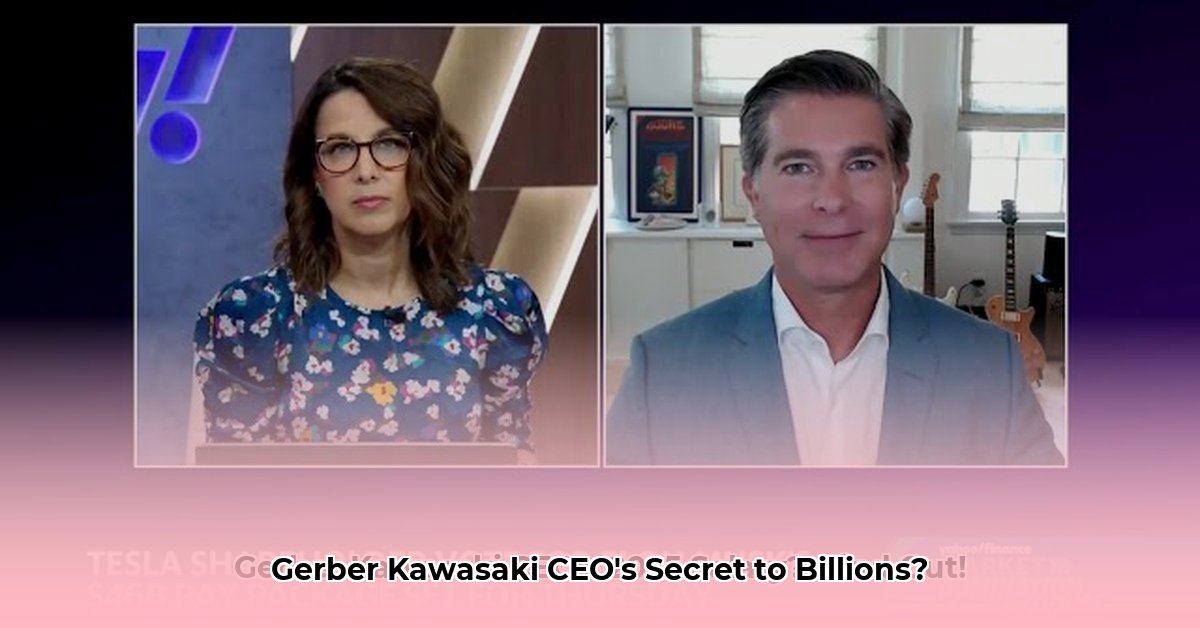
Ross Gerber is far from a typical Wall Street executive. His frequent appearances on major financial news networks like Bloomberg and CNBC have significantly boosted Gerber Kawasaki's profile, establishing him as a prominent voice in the industry. However, his unapologetically outspoken nature, evidenced by public clashes with figures like Elon Musk, carries significant risks. This high-risk, high-reward approach may alienate some clients who prefer a more conservative image. The question remains: does the increased visibility outweigh the potential negative consequences of his outspokenness? One ill-advised comment, amplified by social media, could quickly damage the firm’s hard-earned reputation.
Risk Assessment: Navigating the Challenges of a High-Profile CEO
Gerber's public persona presents a complex risk profile for Gerber Kawasaki. The following matrix highlights key risks and the potential mitigation strategies employed:
| Risk Factor | Likelihood | Impact | Mitigation Strategies |
|---|---|---|---|
| Negative publicity from CEO's statements | Moderately High | Potentially High | Proactive media training for Gerber, refined communication strategies, robust crisis management plan. |
| Market volatility | High | High | Diversified investment strategies aimed at minimizing exposure to market fluctuations, strategic hedging techniques. |
| Competition in wealth management | Medium | Medium | Continuous innovation of services, cultivating strong client relationships, focusing on personalized service. |
| Regulatory changes | Medium | High | Dedicated compliance team, proactive monitoring of regulatory changes, adherence to best practices. |
Successfully mitigating these risks requires proactive media training for Gerber, a strong crisis management plan, and a steadfast commitment to compliance.
The Unspecified CEO Salary: A Question of Transparency and Governance
The absence of public information regarding Ross Gerber's compensation raises questions about corporate governance and transparency. While not inherently illegal, this lack of transparency may affect investor confidence. In an industry that prioritizes trust, even the absence of potentially sensitive information can impact perception. Increased clarity in this area could significantly enhance the firm's reputation and attract investors who value open communication. "Transparency is paramount in building trust with investors and clients," says Dr. Anya Sharma, Professor of Finance at UCLA's Anderson School of Management. "A lack of this can raise concerns about corporate governance."
Actionable Insights for Continued Growth
Gerber Kawasaki's success story provides valuable lessons for other firms. To sustain its momentum, it must continue to:
- Refine its Digital Engagement: Gerber Kawasaki should further optimize its strategy for attracting and retaining clients through digital platforms.
- Expand its Service Offerings: Diversifying services will ensure greater resilience against economic downturns and attract a broader client base.
- Proactively Manage Risk: A strong risk-management framework is crucial to mitigating the potential negative impact of its CEO’s public pronouncements.
- Enhance Transparency: Increased transparency surrounding compensation and overall financial health would further build investor confidence.
Conclusion: A High-Stakes Balancing Act
Gerber Kawasaki's remarkable growth is a testament to its innovative strategy and its CEO's high-profile persona. However, the firm's success hinges on its ability to effectively balance its aggressive growth strategy with the risks inherent in its unconventional leadership style. The unanswered question of the Gerber Kawasaki CEO salary further highlights the importance of transparency and responsible corporate governance in the wealth management industry. The coming years will be critical in determining whether Gerber Kawasaki can maintain its momentum while navigating the complexities of its high-stakes gamble.